

When you walk into a garden centre or scroll through an online store, it doesn’t take long to notice a wide variety of plastic plant pots staring back at you. From sleek large plastic pots made to sit on your patio to cheap plant pots stacked in bundles for budget buyers, the choices can be overwhelming. And yet, this seemingly simple decision, choosing the right plastic pot for your plants, can impact your garden’s health, appearance, and long-term sustainability.
Whether you’re a seasoned green thumb or just starting to add greenery to your balcony or backyard, there are a few critical points to consider. Let’s walk through the essentials to help you make a smart choice when buying plastic plant pots in Australia.
Size Matters: Don’t Cramp the Roots
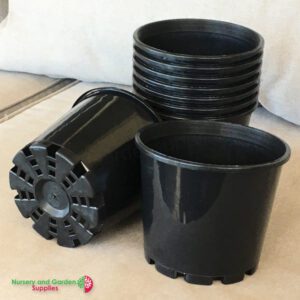
Your plant’s health often hinges on the space available to its roots. Using small pots for large plants leads to root binding and stunted growth. That’s where big plastic pots make a real difference. They’re designed to give your plants ample room to thrive, especially for fast-growing vegetables, fruit trees, or flowering shrubs.
In contrast, going too large too early can mean excess soil retaining too much moisture, risking root rot. Match the pot size to the plant’s growth stage. For instance, seedlings do well in small plastic plant pots, but as they grow, upgrading to large plastic pots is the key to continued success.
Drainage Is Non-Negotiable
650mm Slimline Pot Drainage Holes
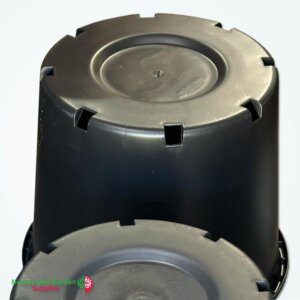
If your plastic plant pots don’t have proper drainage holes, it’s a ticking time bomb. Waterlogged roots spell disaster for most plants, inviting mould, rot, and pests. Before buying, check the base. If holes are missing, make sure the plastic is drillable.
Australian gardeners often use saucers underneath to prevent staining patios or tiles while still allowing excess water to escape. It’s a practical combo that works, especially in places with unpredictable rain.
Quality Over Quantity: Not All Plastics Are Equal
Cheap plant pots might win you over with their price, but many crack under intense Aussie sun or become brittle with age. Look for UV-resistant plastics. These types handle the heat better and last longer, even when exposed to the elements year-round.
Heavy-duty plastic pots are often worth the small price bump. They’re sturdier, reusable, and less prone to fading. For eco-conscious buyers, some brands now offer recycled plastic plant pots that are just as durable as their virgin plastic counterparts.
Weight and Mobility
Planning to rearrange your plants now and then? Consider how heavy your pot becomes once it’s filled with soil and a fully grown plant. Large plastic pots are lighter than ceramic or concrete options, making them easier to move. For renters or apartment dwellers, this makes plastic pots a go-to solution.
Some big plastic pots also come with built-in wheels or hidden rollers—a godsend when dealing with larger setups on balconies or terraces.
Aesthetic and Purpose Should Align
Plastic pots used to have a bad reputation for looking cheap. Not anymore. Newer designs come in sleek finishes, matte textures, and even faux stone or terracotta appearances. Match your pot to your garden’s aesthetic—minimalist, tropical, rustic, or modern—and you’ll elevate the whole space.
Want your herbs to double as décor on your kitchen windowsill? Slim white plastic plant pots work beautifully. Need a bold feature for your front porch? Oversized black or charcoal large plastic pots make a serious statement.
Budgeting: When Are Cheap Plant Pots Worth It?
Cheap doesn’t always mean poor quality, especially if you’re just starting out or planting short-term crops. You can find budget-friendly plastic pots that hold up quite well for seasonal plants or temporary gardening setups.
But for permanent fixtures or high-value plants, investing in mid-range or premium big plastic pots pays off in durability, appearance, and performance.
Bulk buying online can also save you money. Many Aussie suppliers offer discounted rates for packs of 5 or 10, making it easier to repot multiple plants without blowing your budget.
Sustainability and End-of-Life Options
As the world leans into greener living, many Australians are looking for plant pots that won’t end up in landfill. Some garden centres now have pot recycling programs, so keep your receipts and ask about take-back options.
Additionally, some brands use post-consumer recycled materials, and others create biodegradable alternatives. While plastic remains a go-to for many, it helps to support brands that prioritise circular manufacturing practices.
Reusing pots, rotating them each season, and properly cleaning them between plantings also extends their lifespan and supports sustainable gardening habits.
Key Takeaway
Choosing plastic plant pots seems simple, but with the right insights, you can avoid common pitfalls and make your garden setup thrive. Match pot size to your plant’s needs, prioritise drainage, invest in quality materials, and factor in how it fits your space and lifestyle.
Whether you go for cheap plant pots for your seedlings or splurge on designer large plastic pots to anchor your patio, it all comes down to intentional choice.
Explore a wide range of plastic plant pots built for Australian conditions. Whether you’re planting herbs, citrus trees, or indoor ferns, there’s a pot to suit every plant and every budget.
Start your search today and bring your garden vision to life, one pot at a time.
Frequently Asked Questions
What size plastic pot should I choose for my plant? Choose a pot that’s slightly larger than your plant’s current root system. For fast-growing or large plants, consider big plastic pots that provide room for root expansion.
Are cheap plant pots worth buying? They can be, especially for temporary or seasonal use. Just ensure they have proper drainage and are made of UV-resistant materials if they’ll be outside.
Do plastic plant pots need drainage holes? Absolutely. Drainage is critical to avoid water-logging and root rot. Always check for holes before purchasing, or plan to add them yourself.
Can large plastic pots handle outdoor conditions in Australia? Yes, if they’re UV-stabilised. These pots can endure the harsh sun, rain, and wind typical of many Australian regions.
Are plastic pots safe for growing food? Most high-quality plastic pots are food-safe, especially those labelled BPA-free. Stick to garden-grade pots for growing edibles.
Where can I buy plastic plant pots in bulk? Many Australian online retailers and local garden centres offer bulk deals.
What should I do with old or broken plastic pots? Recycle them if your local facility accepts them or repurpose them for DIY garden projects. Some nurseries and garden centres also offer pot recycling programs.