


When the summer sun kicks in across Australia, it’s not just beach towels and barbies coming out. It’s also the prime time to get your hands dirty and start prepping your garden for an abundant season. Whether you’re a home gardener or running a commercial nursery, using seed raising trays the right way can make all the difference when growing heat loving crops like tomatoes, capsicums, zucchinis, and basil.
And here’s the thing while summer crops thrive in warm soil and longer daylight hours, starting seeds directly in the ground isn’t always the best strategy. That’s where seed trays and their many variations module trays, commercial seedling trays, and seed growing trays truly shine.
Why Seed Raising Trays Work Best for Summer
Summer crops love warmth, but they don’t always love erratic rain, pests, or the intense midday heat that can dry out topsoil too quickly. Seed raising trays give your seedlings a head start in a controlled environment.
Using seed trays allows you to:
-
Control watering and drainage
-
Monitor early growth more easily
-
Start planting earlier, even before the soil in your garden warms up
-
Reduce transplant shock with proper root development
In short, you’re creating a nursery within your backyard or on your balcony. That’s smarter gardening.
Types of Seed Trays You Can Use
Before you get started, it helps to understand the differences between the available trays. Each one has its own strengths based on the size of your garden and the kind of plants you want to grow.
1. Standard Seed Raising Trays
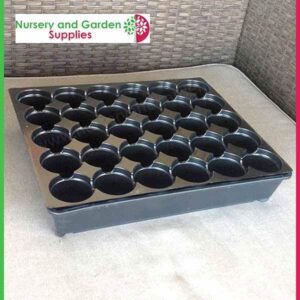 These are flat trays with shallow wells, perfect for sowing fine seeds like lettuce, basil, or celery. Great for small scale or home gardening.
2. Module TraysAlso known as cell trays, these are divided into multiple cells, each housing one or two seeds. Ideal for crops like tomatoes, cucumbers, and capsicums that need individual spacing.
3. Commercial Seedling Trays
Larger and sturdier, these are used in bulk planting. Think of nurseries or market growers. The benefit? They support uniform seedling growth and are designed for repeated use.
4. Seed Growing Trays with Domes or Lids
These often include humidity domes that help maintain consistent moisture and temperature. They’re perfect for propagating seeds indoors or in cooler areas.
5. Propagation Trays for Australian Gardeners
While often associated with cuttings, propagation trays work just as well for germinating summer vegetable seeds in Australian conditions.
Best Summer Crops to Start in Seed Trays
Not all seeds benefit from early tray raising. But when it comes to summer crops, many of them absolutely thrive when given a head start.
Here are some of the most common summer crops that work beautifully in seed growing trays:
-
Tomatoes – Need warm soil to germinate and hate root disturbance. Use module trays to give each seedling room.
-
Capsicum (Bell Peppers) – Slow starters, these benefit from a long lead in period in seed trays.
-
Eggplants – Another slow grower that prefers being transplanted from trays once established.
-
Zucchinis – Start them in module trays and transplant before they become root bound.
-
Cucumbers – Like zucchinis, they germinate quickly and prefer warm temperatures.
-
Basil – Perfect for shallow seed raising trays. Loves heat but needs steady moisture during early growth.
How to Use Seed Trays for Summer Success
Using seed trays isn’t complicated, but the right technique ensures better germination and stronger seedlings. Here’s a guide to doing it right:
Step 1: Choose the Right Tray
Match your crop with the right type of tray. For smaller seeds and herbs, go for shallow seed raising trays. For larger vegetables, opt for module trays to avoid crowding.
Step 2: Use a Quality Seed Raising Mix
Don’t skimp here. Regular garden soil compacts too easily and can cause drainage issues. A good seed raising mix is lightweight, holds moisture, and supports root development.
Step 3: Sow at the Right Depth
Follow the seed packet instructions. As a general rule, sow seeds at a depth of 2x their diameter.
Step 4: Label Everything
Use plant markers or even a permanent marker on the tray itself. Trust us, once things sprout, you’ll forget what’s what.
Step 5: Provide Consistent Moisture
Use a spray bottle or watering can with a fine rose to gently water seedlings. Avoid overwatering, which leads to fungal problems.
Step 6: Give Them Light and Warmth
Place trays in a sunny spot or under a grow light. Most summer crops need at least 6 to 8 hours of light daily. For cooler regions, a heat mat can speed up germination.
Step 7: Harden Off Before Transplanting
Before moving your seedlings to the garden, expose them gradually to outdoor conditions. Start with a few hours a day in a shaded area, slowly increasing sun and wind exposure over a week.
Troubleshooting Common Problems
Even with the best intentions, issues can pop up. Here’s how to deal with them:
-
Mould or Fungal Growth? Improve airflow, water less often, and don’t let water sit in the bottom of trays.
-
Leggy Seedlings? Not enough light. Move closer to a window or use a grow light.
-
Slow Germination? Check the temperature. Most summer seeds germinate best at 20 to 28°C.
-
Root Binding? If you see roots circling the cell walls, it’s time to transplant. Don’t wait too long.
Seed Tray Hacks from Aussie Gardeners
User generated content and community tips go a long way. Here are a few real world hacks from gardeners across Australia:
-
Use recycled seed trays from takeaway containers with holes poked at the bottom
-
Elevate trays on wire racks for better drainage
-
Group trays by crop type for easier watering and care
-
DIY humidity domes made from cling wrap over the tray until germination starts
Have your own trick? Post it with #AussieSeedHack and get featured.
Local Land Services NSW also highlights that seedling trays help manage watering, spacing, and transplanting more efficiently, especially during early plant development.
Are Seed Trays Worth It for Home Gardeners?
Absolutely. Whether you’re growing from your apartment balcony or prepping 20 metres of garden beds, seed trays give you more control, higher germination rates, and better results. And with summer crops, timing is everything. Trays let you get ahead even before the soil warms up outdoors.
They’re especially worth the investment if you’re:
-
Growing organic or heirloom varieties not found in stores
-
Trying to reduce your grocery bill with home grown veg
-
Starting a home based plant nursery or commercial seedling business
FAQs About Seed Trays for Summer Crops
What size seed tray should I use for tomatoes?
Use module trays with cells around 5 to 7 cm deep. This gives tomato roots enough room to develop before transplanting.
Can I reuse commercial seedling trays?
Yes. Just sterilise them between uses with a diluted bleach or vinegar solution to prevent disease.
How long do seeds take to germinate in propagation trays?
It depends on the crop. Tomatoes usually sprout in 5 to 10 days, while capsicum may take up to 14 days in ideal warmth.
Do I need a heat mat for summer seeds?
Not always in Australia, especially in warmer states. But in cooler regions or early summer sowing, heat mats help maintain consistent germination temps.
Can I move seed trays outdoors during summer?
Yes, but avoid direct midday sun. Morning sun with some shade in the afternoon works best to prevent seedlings from scorching.
Final Thoughts
Seed raising trays are one of the most effective tools for any gardener aiming to grow a productive summer crop. By starting seeds in a stable and controlled environment, you increase germination success, encourage stronger root systems, and reduce the risk of transplant stress. Whether you are gardening in Sydney, Perth, Brisbane or anywhere else in Australia, the approach remains the same. Early preparation leads to healthier plants and better harvests.
At Nursery and Garden Supplies, we offer a wide selection of seed trays and other trays designed for Australian growing conditions. From small backyard setups to commercial nurseries, our range supports strong seedling development and long term planting success. Explore our collection today and give your summer crops the best possible start.