

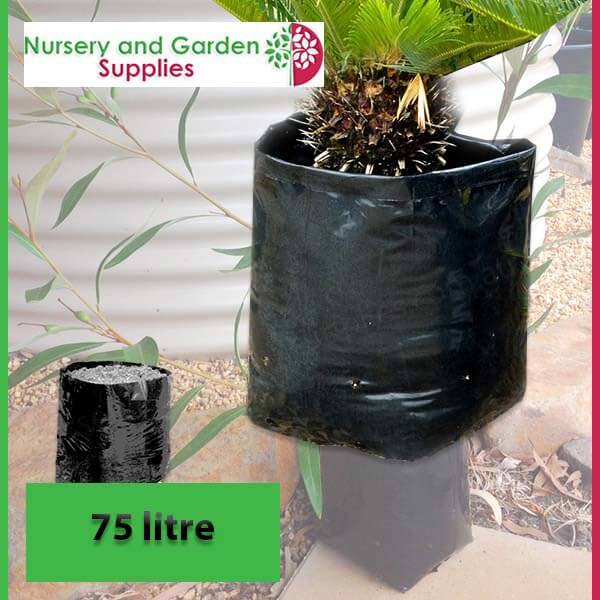
When it comes to container gardening, choosing the right vessel is more than a matter of convenience. It affects how your plants root, how they grow, how much water they retain, and even how long your investment lasts. So which is the better option: grow bags or plastic pots?
Grow bags have surged in popularity with home growers and commercial operations alike. Meanwhile, plastic pots remain the industry staple, trusted by nurseries, landscapers, and orchardists for decades.
According to a report by the Australia Institute, 12% of household food growing in Australia takes place in container gardens, highlighting how essential containers like grow bags and pots have become for urban and small-space gardeners
Let’s put them to the test and settle the grow bags vs pots debate once and for all.
Which Container Grows More? The Surprising Winner in the Grow Bags vs Pots Debate
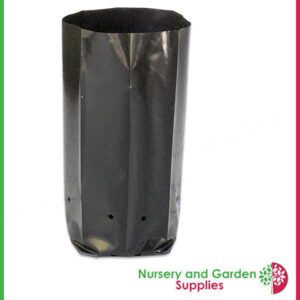
Grow bags are made of woven or non-woven polypropylene fabric. Their breathable structure allows for superior aeration. This means your plants’ roots get more oxygen, which encourages healthy root branching and prevents circling. This process is known as air pruning.
Plastic pots, by contrast, offer a confined root space. While this can be ideal for maintaining form in ornamental plants or supporting taller trees, the roots tend to wrap around the pot’s base over time. This circling can eventually lead to stunted growth or transplant shock if left unchecked.
In terms of plant health, especially in early stages, grow bags often provide a more dynamic environment. You’ll notice stronger root systems, faster uptake of nutrients, and fewer issues with overwatering thanks to excellent drainage.
However, plastic pots provide structure and stability. For plants that get top-heavy or need training such as citrus trees or frangipanis, a rigid container is essential. Their weight and shape support upward growth and help anchor the plant.
Summary:
- Grow bags promote root health and airflow
- Plastic pots offer support and moisture control
Budget Smarts: Which Option Saves You More Over Time?
Growers who budget carefully know every container counts.
A 30-litre grow bag can be significantly cheaper than a 30-litre UV-stabilised pot. That’s especially true at Nursery and Garden Supplies Australia, where automated volume pricing means the more you buy, the better the price per unit.
But the calculation doesn’t stop at upfront cost. How many seasons can you use it for? How often do you need to replace it? Can it survive summer sun and winter chill?
Plastic pots, particularly those manufactured in Australia and UV-stabilised for local conditions, can last more than five years outdoors. You can clean and reuse them over and over. That means fewer replacements and long-term savings.
Grow bags, if made with high-quality materials, can also be reused, typically for two to three seasons. While they may fade or soften with sun exposure, their portability and low initial cost often outweigh this limitation for fast-growing annuals.
In summary:
- Use grow bags for herbs, greens and short-cycle crops
-
Use pots for trees, perennials and decorative plants
Common Grower Concerns Answered: Durability, Storage and Sustainability
Durability
Both container types should be UV-stabilised if being used outdoors in Australia. Plastic pots last longer, often several years, whereas grow bags may eventually degrade after repeated exposure.
Storage
Grow bags are compact and fold flat, perfect for small sheds or seasonal use. Plastic pots take up more space, though they stack efficiently for bulk storage.
Sustainability
Grow bags use fewer raw materials and require less fuel to transport. Some propagation lines also include biodegradable materials. Plastic pots, when reused, have an excellent lifespan and can be recycled depending on local council rules.
Conclusion:
- Both are sustainable when used responsibly
- Grow bags are better for transport and compact spaces
Your Garden, Your Way: How to Choose the Right Container for What You Grow
Herbs: Grow bags around 5 to 10 litres are ideal. Good airflow prevents root rot.
Tomatoes and Chillies: Choose 20 to 30-litre grow bags or squat plastic pots. Drainage and root depth are key.
Citrus, Frangipani or Ornamental Trees: Go for 75-litre plastic pots with wide bases. These support weight and prevent tipping.
Strawberries or Lettuce: Shallow grow bags or tiered plastic trays work best.
Balconies and Courtyards: Use a mix of grow bags and stackable square pots to maximise space and sunlight access.
Each plant has different root habits. Match container shape and size to how it grows, and you’ll see better results.
What Gardeners Ask Before Choosing
Are grow bags reusable?
Yes. With proper care and storage, many last two to three seasons.
Do plants dry out faster in grow bags?
They can, especially in summer. But increased airflow also reduces rot and improves root oxygenation.
Will plastic pots crack in hot sun?
Not if they are UV-stabilised. Always choose Australian-designed plastic for local conditions.
Which container is more environmentally friendly?
Grow bags are lighter to ship and often recyclable. Plastic pots win on longevity when reused properly.
What size container do I need?
Herbs: 5 to 10 litres
Tomatoes: 20 to 30 litres
Trees: 75 litres or more
The Smart Grower’s Choice: Containers Built for Australian Conditions
Nursery and Garden Supplies Australia has over 35 years of horticultural experience. Their containers are built to perform in Australia’s tough climate and are backed by real industry knowledge.
Why gardeners choose NGS containers:
- Free standard shipping Australia-wide with no minimum spend
- UV-stabilised products designed for harsh local sunlight
- Volume-based pricing for bulk orders on both pots and grow bags
- Flexible grow bag sizes from 500ml to 2000 litres
- Expert support from a family-owned, Australian horticultural business
Visit nurseryandgardensupplies.com.au or call 0490 503 674 to find the perfect container for your garden today.