

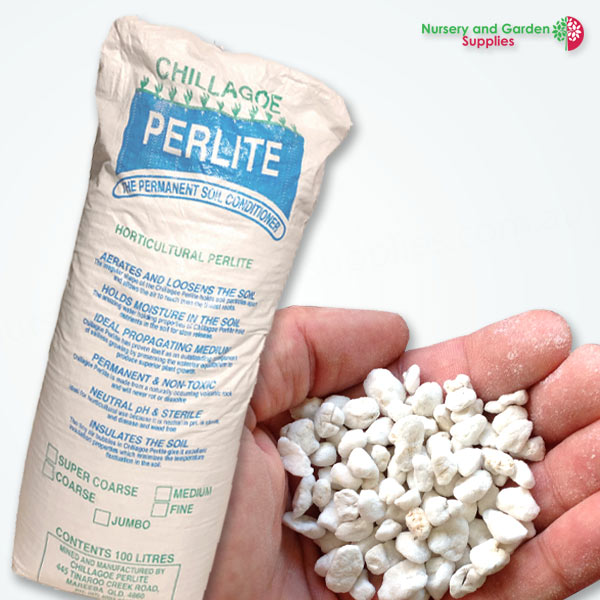
Looking for a simple way to supercharge your soil and give your plants a serious growth advantage? You might be overlooking one of gardening’s most underrated essentials. It’s white, it’s lightweight, and it’s the secret ingredient behind thriving potting mixes and perfectly conditioned garden beds.
Say hello to horticultural perlite. If you’ve ever opened a bag of potting mix and noticed the little white flecks, that’s perlite. And while it might look like Styrofoam at first glance, this volcanic rock is actually doing some heavy lifting in your garden.
Whether you’re growing herbs on a balcony or nurturing native trees in a large backyard, perlite has something to offer. Once you know how to use it properly, it becomes a non-negotiable part of your soil toolkit.
Here’s everything you need to know about perlite uses, soil conditioning and potting mix improvements that can transform your Aussie garden for the better.
Why Perlite Deserves a Spot in Every Aussie Garden
Perlite is not new. Its rise in popularity among Australian gardeners is due to one simple reason. It works. Derived from a type of volcanic glass, perlite expands when heated. This puffed-up structure creates hundreds of tiny air pockets, making it perfect for aeration and drainage in soil.
What makes perlite so powerful is its ability to loosen heavy soils and improve oxygen availability at the root zone. Australian soil research shows that adding perlite to compacted field soil reduces bulk density and improves soil physical properties, resulting in better aeration and drainage that supports healthier root development.
In Australian conditions, where heavy clay soils, sudden rain events and scorching summers are common, perlite gives your plants exactly what they need. Better airflow. More consistent drainage. Less risk of root rot. Stronger root development overall.
Its neutral pH and non-toxic makeup also mean it’s safe for all plants. From succulents and vegies to natives and ornamentals, perlite plays nice with every species.
5 Genius Ways to Use Perlite in Your Garden
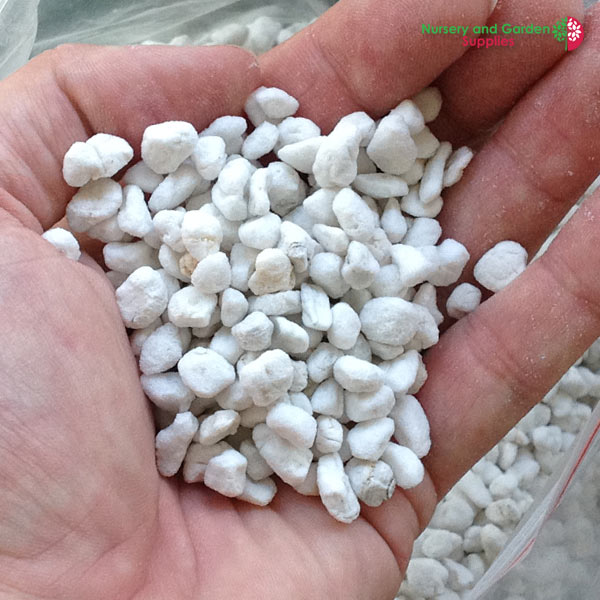
Ready to put perlite to work? Let’s look at how Aussie gardeners are using it in real-life applications. Whether you’re repotting a fiddle leaf fig or sowing tomatoes from seed, these perlite uses deliver results.
1. Lighten up heavy potting mixes
If your potting mix feels dense or drains slowly, perlite is your best fix. Mix it through at around 10 to 30 percent of total volume, depending on the plant’s needs. This helps roots breathe and prevents water from sitting around too long.
2. Create perfect seed-starting conditions
Perlite is ideal for raising seedlings. Use it as a light top layer over seeds to retain moisture without compacting, or mix it with coco coir to create a fluffy propagation mix that resists damping off.
3. Improve garden soil structure
In heavier clay soils, adding perlite helps break up compaction and introduce more oxygen to the root zone. This is especially useful in raised beds or areas with poor drainage. Blend it into the top 15 to 20 cm of soil at around 20 percent volume.
4. Keep hanging baskets thriving
Hanging baskets often dry out quickly. Adding perlite to your basket mix helps retain just enough moisture while still allowing excess water to drain away. This keeps your ferns, flowers or strawberries happier for longer between waterings.
5. Boost your orchid or succulent mix
Orchids, cacti and succulents all love excellent drainage. Combine perlite with bark chips, coir or sand to create fast-draining custom mixes that mimic their natural environments. It’s a game changer, especially for potted specimens in hot climates.
These simple changes can have a massive impact on plant health, especially in Australia where conditions vary so much from state to state.
Perlite vs Other Soil Additives: What’s the Real Difference?
You’ve probably heard of coir, vermiculite, sand and other soil conditioners. So what makes perlite stand out?
Perlite vs Vermiculite
Both are volcanic in origin, but they behave differently. Vermiculite holds more moisture and is often better for water-loving plants or starting very fine seeds. Perlite offers better aeration and faster drainage. That makes it ideal for most Australian conditions and container gardens.
Perlite vs Sand
Sand can improve drainage, but it’s heavy and can compact over time. Perlite is ultra-light. You can condition your soil without making it heavier or harder to work with.
Perlite vs Coir
Coconut coir is a great water retainer and an eco-friendly peat alternative. When used with perlite, the two create a powerful combo. One holds moisture, the other keeps air flowing. This blend is particularly good for seed-starting or for orchids.
Perlite vs Bark
Bark, like aged pine or cypress, is often used in orchid or bonsai mixes to boost drainage and aeration. Perlite complements bark and brings a more uniform structure to mixes, reducing the chance of compaction over time.
Perlite brings something unique to the table. Lightweight aeration, long-term stability and reliable drainage, all in one product. It plays well with others but also holds its own when used solo.
Ready to Boost Your Garden? Here’s the Smart Way to Get Started
Now that you know how perlite works and where it shines, the next step is using it properly. Like most things in gardening, it’s about balance.
Choosing the right grade of perlite
Not all perlite is created equal. For potting mixes and propagation, look for medium-grade horticultural perlite. It should be clean, dust-free and free from additives. Avoid construction-grade perlite. It’s not suitable for plants and may contain impurities.
Mixing tips for Aussie gardens
For seed raising, use a 50 to 50 mix of perlite and coir or seed-starting mix. For general potting, add 10 to 30 percent perlite to your base mix. In garden beds, use up to 20 percent by volume to break up heavy soil.
When blending, always moisten the perlite slightly to reduce dust. While perlite is inert and safe, breathing in fine particles during handling is best avoided. A light mist of water or a dust mask does the trick.
Pro tip. Combine perlite with other media depending on your plant’s needs. Succulents and cacti like more perlite, while herbs and leafy greens enjoy a balanced mix with compost or coir.
Once perlite is in the mix, it stays there. No need to reapply every season. That makes it a cost-effective, low-maintenance way to upgrade your garden soil long-term.
What People Ask Before Ordering
Is perlite safe for organic gardens?
Yes. Horticultural-grade perlite is inert, sterile and approved for organic use. Just make sure it’s labelled for horticulture, not construction.
Does perlite change soil pH?
No. Perlite is pH-neutral, so it won’t affect the acidity or alkalinity of your soil.
Can I use perlite in hydroponics?
Absolutely. Perlite is a popular choice for hydroponic systems because of its excellent drainage and air-holding capacity.
How much perlite do I need for a 50-litre potting mix?
If you’re aiming for 20 percent perlite, you’ll need around 10 litres of perlite mixed into your 50-litre base.
Where can I buy perlite online in Australia?
Right here at Nursery and Garden Supplies Australia. We stock horticultural-grade perlite in various sizes with free shipping across the country.
Stock Up Now and See the Results for Yourself
At Nursery and Garden Supplies Australia, we’ve helped thousands of Aussie gardeners transform their gardens with smarter soil choices. With over 35 years in the horticultural industry and a Gold Coast-based warehouse, we know what works under Australian conditions. We only source premium quality, UV-stabilised products that last.
Our horticultural perlite is clean, dust-reduced and packed for home and commercial growers alike. Whether you need a small bag or a bulk order, we’ve got you covered with automated volume discounts and free nationwide shipping.
Your plants will thank you. And so will your future self when you see the results.
Order your perlite now at nurseryandgardensupplies.com.au or call Matt or James on 0490 503 674. Start growing smarter today.