

Choosing between vermiculite and perlite can feel like splitting hairs. Both promise better soil. Both improve plant health. And yet, pick the wrong one and your seedlings might drown or your succulents might rot.
This isn’t just about soil fluff. It’s about knowing what your plants need. And matching them with the right partner.
We’re going to break it all down. From the science to the results. From commercial nurseries to home gardeners.
By the end, you’ll know exactly when to use vermiculite, when to reach for perlite, and when to mix them together for maximum root power.
The Clash of Garden Titans – Vermiculite vs. Perlite
So, what are we dealing with here?
Vermiculite and perlite are both natural minerals that have been treated to create lightweight, soil-enhancing particles. But that’s where the similarities end.
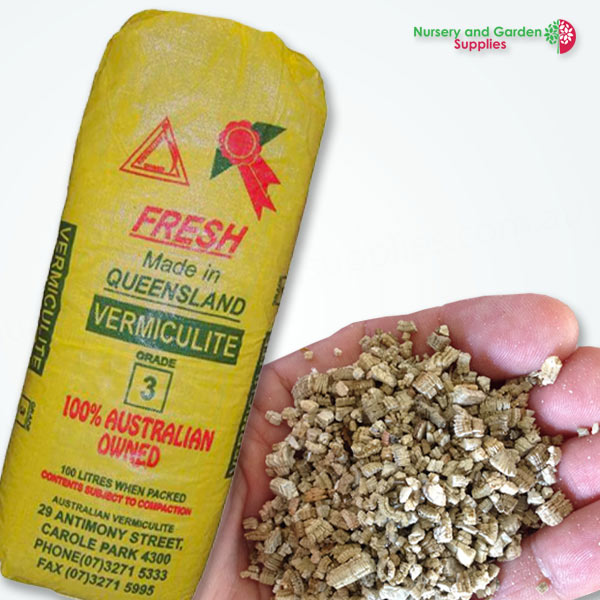
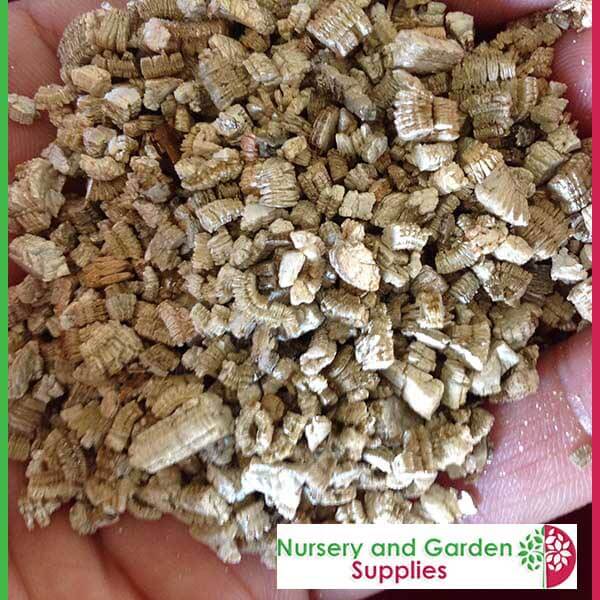
Vermiculite is a mineral that expands when heated. Picture tiny, sponge-like layers. It holds water like a champ. Ideal for thirsty roots. It looks like golden flakes. Soft. Shiny. Slightly compressed.
Perlite is a type of volcanic glass. When it’s popped under extreme heat, it puffs up into white, lightweight granules. Think popcorn but for soil. It doesn’t hold much water. That’s the point. It creates air pockets. It’s crumbly. It’s dry. And it’s perfect for drainage.
The difference is in the function.
Perlite keeps things airy, while vermiculite keeps things moist. Australian government soil research explains that improving soil pore space and structure is critical for healthy roots, as it determines how air and water move through the soil. Materials that increase aeration support oxygen availability at the root zone, while water-retentive media help prevent rapid moisture loss. This balance explains why perlite is preferred for drainage-focused mixes and vermiculite is better suited to moisture-retentive applications.
Look closely at a seedling tray and you’ll often see a mix. Little white balls of perlite alongside the gold shimmer of vermiculite. They’re doing different jobs.
Choosing the Right Medium for Your Plants (and Your Goals)
This is where things get interesting. There’s no one-size-fits-all.
You choose based on what you’re growing. And where.
If you’re starting seeds, vermiculite is your best mate. It locks in moisture right where young roots need it. No drying out overnight. No constant misting. Just a stable, damp environment.
It’s also excellent for root cuttings. Vermiculite holds just enough air to prevent rot but not so much that the roots dehydrate.
But flip that logic around. If you’re growing succulents, cacti or orchids, you need airflow. You need quick drainage. You need perlite.
Add perlite to your mix and water drains fast. Roots get air. Fungi stay away. Your pot doesn’t go soggy.
In Australia, with its harsh sun and rapid evaporation, you might think vermiculite always wins. But it depends. For indoor plants or shaded areas, yes. Outdoors in full sun or clay-heavy soil? Perlite wins the fight.
Here’s a quick cheat sheet:
- Use vermiculite for: seed starting, moisture-loving plants, indoor potted herbs, tropicals, water-retentive mixes
- Use perlite for: succulents, orchids, drainage-heavy mixes, raised beds in rainy areas, clay soil correction
What about combining them? We’ll get to that.
The Expert Verdict – Which One Wins?
Let’s put it side by side.
Moisture Retention
Vermiculite is the clear winner. It absorbs 3 to 4 times its weight in water. Perlite dries out fast. If you’re forgetful with watering, vermiculite gives you a buffer.
Aeration and Drainage
Perlite takes the crown here. It’s the go-to for breaking up dense soil and improving oxygen flow. That’s why it’s used in most cactus mixes.
Weight
Perlite is lighter than vermiculite. Good for hanging baskets or when you don’t want heavy pots on a shelf.
pH and Neutrality
Both are neutral, but vermiculite may slightly raise pH over time. Not always ideal for acid-loving plants. Perlite stays stable.
Cost and Availability
In Australia, both are widely available. Vermiculite can sometimes be pricier. Especially the finer grades used for propagation. But the price difference is usually small when buying from a supplier like NGS with volume-based pricing.
Sustainability
Vermiculite is mined. So is perlite. Neither is renewable, but both are inert and long-lasting. Some mixes use recycled materials, but not all. Look for UV-stabilised packaging and eco-conscious suppliers where possible.
So who wins?
Neither. Because it depends on the job.
That’s the expert truth. No one material is better. Only better suited.
And that’s exactly why professional growers often use both. Blended. Balanced. Tuned to the plant.
Make the Switch or Mix Them Up?
This is where the pros get clever.
Some growers use a 50-50 blend of vermiculite and perlite for propagation trays. The perlite provides air. The vermiculite locks in moisture. Together, they give young roots the perfect environment.
Others go 75 percent perlite, 25 percent vermiculite for orchids and bromeliads. It’s about adjusting the water-air ratio.
For potted vegetables, vermiculite helps retain water between deep watering sessions. For herbs or native shrubs, perlite keeps things from getting boggy.
At Nursery and Garden Supplies Australia, we recommend testing different ratios. Start small. One tray. One pot. Compare.
We also see customers buying both and using them across the garden. Perlite in the veg patch. Vermiculite in the seed house. Both have a place.
And here’s the kicker. You don’t need to be a commercial grower. NGS offers volume-based pricing for everyone. No credit account needed. No business name required. Just select the quantity you want and watch the per-unit price drop automatically.
That’s wholesale pricing made simple.
Questions Gardeners Ask Before Choosing
Is perlite or vermiculite better for seed starting?
Vermiculite. It keeps seeds moist, especially during germination. You can sprinkle it over seeds too as a top dressing.
Can I reuse perlite and vermiculite?
Yes, but rinse thoroughly. Remove old roots and debris. Avoid reuse if there was disease in the plant.
Do they break down over time?
Vermiculite can compress. Perlite can float to the surface. Over years, both lose structure. But for most gardeners, the lifespan is excellent.
Are they safe for organic gardening?
Yes. Both are inert and free of synthetic chemicals. Just ensure your mix is OMRI listed if you’re going fully organic.
What’s the best place to buy them in bulk?
For Australian gardeners, Nursery and Garden Supplies Australia offers premium-grade vermiculite and perlite. UV-stabilised. Ready to ship. Free delivery on all orders.
Here’s What to Do Next
If you’re a gardener who wants better results, it’s time to choose your mix.
At Nursery and Garden Supplies Australia, we stock horticultural-grade vermiculite and premium perlite in a range of sizes. Whether you’re sowing seeds, growing succulents or doing both, we’ve got you covered.
Not sure what to choose? Call Matt or James on 0490 503 674. You’ll speak with real people, not bots.
We’ve been doing this for over 35 years. From Burleigh Heads to bush blocks, Nursery and Garden Supplies Australia has helped thousands of Australians grow smarter.
Order online today and get free shipping Australia-wide. Or grab a combo pack and save. You’ll get both products and unlock the best of both worlds.
No gimmicks. No middlemen. Just the right mix for your best garden yet.