

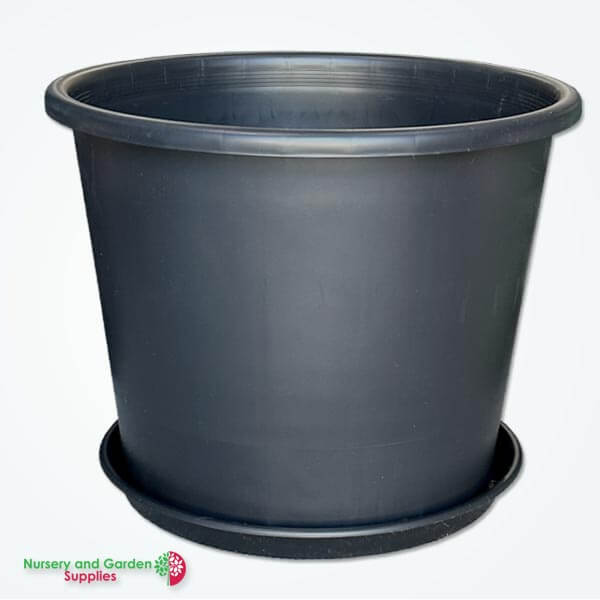
Plastic Pots, Real Results: Why Aussie Gardeners Are Quietly Switching
How modern plastic nursery pots outperform terracotta in harsh Australian conditions
There’s a shift happening in gardens across Australia. While many still favour terracotta or ceramic pots for aesthetics, a growing number of both professional and home gardeners are reaching for a more practical, reliable alternative, plastic nursery pots.
And it’s not hard to see why.
Unlike the fragile, chalky versions of decades past, today’s plastic planting pots are engineered for resilience and performance. At Nursery and Garden Supplies Australia (NGS), every plastic pot is UV-stabilised and designed specifically for harsh Australian weather. This means no cracking in the summer sun, no fading after a season outdoors, and no structural failure just when your plants are thriving.
It’s not about looking pretty on a patio, it’s about results. From propagation trays to 600mm tubs for advanced tree growth, plastic pots are quietly outperforming more expensive alternatives on every meaningful metric, durability, portability, cost-efficiency and practicality.
At NGS, we’ve curated a selection of plastic nursery pots that suit all growers. Whether you’re potting up seedlings in clear pots to track root health or replanting citrus trees in squat containers, plastic proves itself time and again in Australian gardens.
The Tough Truth About Planting Pots: What Actually Works
What every commercial and home gardener should know before buying their next pot
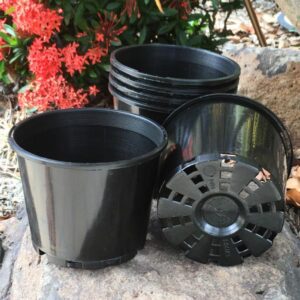
Here’s the truth, choosing the wrong pot for the wrong plant can set you back months.
If your pots don’t drain properly, you risk root rot. If they retain too little moisture, your plants stress under the midday sun. And if the materials can’t stand up to UV exposure, you’ll be replacing them season after season.
Plastic nursery pots from NGS eliminate all of these risks.
Lightweight and easy to move, they simplify everything from potting to transporting. Their uniform sizes mean consistency across trays and benches, a must-have for nurseries and market gardeners. They stack neatly for storage, clean easily, and can be reused season after season, saving you money and reducing waste.
Plastic also wins when it comes to scalability. If you’re a hobbyist with a balcony garden, a few square pots or hanging baskets might do. But if you’re managing hundreds or thousands of plants, bulk ordering becomes essential. The automated tiered pricing means the more you buy, the more you save. No ABN required. No lengthy applications.
Not Just Cheap and Cheerful: Plastic Pots vs the Rest
Side-by-side, Comparing plastic, clay, ceramic and fabric planter performance
Let’s clear the air on a few common misconceptions.
Terracotta pots are often praised for their natural aesthetic and porous properties. However, in Australian climates, especially in hot, dry regions, they dry out soil far too quickly. This leads to stressed roots and more frequent watering. Plus, terracotta is prone to cracking under fluctuating temperatures.
Ceramic pots offer visual appeal and can suit indoor environments, but they are heavy, fragile, and expensive. Many are also not UV-rated and can deteriorate outdoors, especially under intense sun.
Fabric grow bags have gained popularity for breathability and air-pruning roots. But they also collapse easily, degrade under UV exposure, and can create a mess if not carefully managed. In commercial or large-scale growing, they’re often too inconsistent for long-term use.
Plastic nursery pots, on the other hand, are the middle ground that makes the most sense.
They’re lightweight like fabric but durable like ceramic. They hold moisture better than terracotta and won’t disintegrate under a full summer sun. Every pot sold by NGS is UV-stabilised for Australian conditions and available in various sizes, colours, and shapes to suit all plant types. Government-backed research into outdoor plastics, such as synthetic turf, confirms that UV-stabilised polyethylene is durable and the most suitable material for harsh Australian environments.
And unlike ceramic or terracotta, plastic pots are safe to stack, easy to ship, and less likely to be damaged in transit. For commercial growers, this reduces risk and cuts replacement costs. For home gardeners, it simply means better value.
Ready to Repot? Choose Smart, Choose Plastic
Bulk pricing, UV protection and free shipping, how to buy smarter, not harder
Switching to plastic pots isn’t just the smart choice, it’s also the most cost-effective.
At NGS, customers don’t need to apply for trade-level pricing. The online store uses a built-in volume discount system. The more pots you add to your cart, the lower the unit price becomes. It’s transparent, fair, and available to everyone, no wholesale account required.
This pricing model has been a breakthrough for growers across Australia. Whether you’re buying for a school garden, community project, landscaping contract, or a backyard overhaul, the platform delivers nursery-grade products without the admin.
Orders are typically dispatched by the next business day and every item comes with free standard shipping across Australia. Express delivery options are available for urgent needs.
Every plastic pot offered is made for durability. These aren’t imported, brittle containers that fade or warp. These are long-lasting, UV-stable containers, built for real-world Australian use.
Questions People Ask Before Ordering Plastic Pots
Are plastic nursery pots eco-friendly?
Yes, especially when they are reused. NGS plastic pots are designed for multiple seasons and many are recyclable. A longer lifespan means less landfill waste and a lower overall environmental footprint.
Do plastic pots contribute to overheating?
Not if they’re UV-stabilised like the ones NGS offers. These plastics are designed to reflect sunlight and resist heat buildup, especially when combined with proper watering and shading practices.
Are they safe for edible plants?
Absolutely. NGS plastic pots are safe for all types of gardening, including vegetables, herbs, and fruits. They are non-toxic and used widely in both domestic and commercial edible plant production.
Do I need saucers or drip trays with plastic pots?
It depends on where you’re growing. For indoor or balcony gardening, saucers help manage drainage and protect surfaces. For outdoor use, especially in raised beds or greenhouses, pots can drain directly into the ground or onto bench systems.
What if I need a specific size or design?
NGS carries a wide range of plastic pots, including tall, squat, square, round, and clear options. If you need something specialised, customer service may be able to assist with sourcing or a suitable alternative.
Rethink Your Pots, Reap the Rewards
Plastic nursery pots have long flown under the radar, overshadowed by prettier, pricier, and less practical alternatives. But for the gardener who wants to grow smarter, save money, and make life easier, they are impossible to ignore.
They last longer, perform better, and cost less. They’re UV-stabilised, tough, and available in a shape and size for every type of plant. They’re easy to move, clean, and store. And they’re backed by a supplier who knows the industry inside and out.
Nursery and Garden Supplies Australia has over 35 years of horticultural experience and a national reputation for quality and service. Every order is backed by free nationwide shipping, volume-based pricing, and real advice from real growers.
Shop now at nurseryandgardensupplies.com.au and make the switch to smarter pots. If you’d like tailored recommendations, call Matt or James on 0490 503 674, Monday to Friday, 9 am to 3 pm AEST.