


Getting a head start on your seedlings often comes down to one overlooked detail: root development. If your plants have weak, tangled, or stunted roots from the beginning, they’ll struggle later, no matter how much sunshine, water, or fertiliser you give them. That’s where module trays come in. These trays are specifically designed to promote healthier root growth from the very beginning. Whether you’re growing from seed in a backyard greenhouse or managing a small commercial operation, module trays can give your plants the strong start they need.
Let’s break down what they are, why they work, and how to use them properly to get thriving, transplant-ready seedlings.
What Are Module Trays?
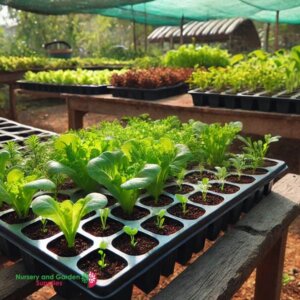
Module trays are a type of seed tray that separates each seedling into its cell or compartment. Unlike flat seed growing trays or general propagation trays, module trays prevent roots from competing for space and nutrients.
Each module or cell provides a mini growing environment for one seedling, encouraging downward root growth and easy transplanting without disturbing surrounding roots.
Gardeners in Australia use module trays for a wide range of plants, including herbs, tomatoes, native wildflowers, and lettuce. They’re a go-to solution for anyone seeking to minimize transplant shock and enhance germination success rates.
Benefits of Using Module Trays for Seedlings
Here’s why module trays are a wise choice for gardeners who want better root systems:
1. Stronger Root Structures
With individual compartments, roots grow downward instead of circling other plants. This results in a healthier, fibrous root ball that supports robust plant growth.
2. Reduced Transplant Shock
Because seedlings can be lifted out individually, there’s no need to pull apart tangled roots. Less root disturbance means a smoother transition when moving plants from one soil to another or from smaller pots to larger ones.
3. Improved Drainage and Aeration
Quality module trays are designed with drainage holes to prevent waterlogging. That also allows roots to air prune, a natural process explained by Washington State University that improves root branching and prevents spiralling.
4. Efficient Space Management
Whether you’re using a windowsill, greenhouse bench, or shelf in a garden shed, module trays help you start dozens (or hundreds) of seedlings in an organised and compact layout.
How to Choose the Right Module Tray Size
Not all seedlings need the same depth or space. Here’s a general guide:
| Plant Type | Recommended Cell Size | Why It Works |
| Lettuce, spinach | Small (20–30mm diameter) | Fast germination, shallow root system |
| Tomatoes, capsicum | Medium (30–50mm) | Deep roots need room to establish |
| Pumpkins, cucumbers | Large (50 mm+) | Fast-growing roots, large transplants |
| Native shrubs | Extra deep modules | Suited for taproots and slower growth |
Use larger commercial seedling trays if you’re managing large-scale growing operations. These often feature dozens or even hundreds of deep modules, making them ideal for nurseries or urban farms.
Step-by-Step: Using Module Trays Effectively
1. Prepare the Tray
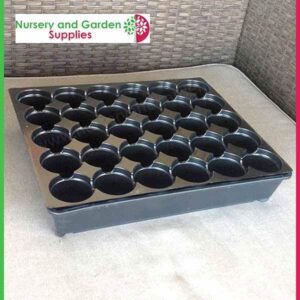
Start with a clean tray to avoid fungal or bacterial contamination. Even if it’s new, give it a rinse. Reused trays should be sterilised using diluted vinegar or boiling water.
2. Fill with Quality Seed Raising Mix
Use a light, well-draining seed-raising tray mix. Avoid heavy garden soil, which can compact and suffocate young roots. Fill each cell loosely and level it off with a flat surface, such as a ruler or wooden board.
3. Sow Your Seeds
Drop one or two seeds into each module cell. Use a dibber or pencil to push the seeds to the correct depth, usually twice the seed’s size. Cover lightly with the mix if needed.
4. Water Gently
Mist the surface or bottom of the tray so moisture rises through capillary action. Overwatering is a common mistake. Keep the soil moist but never soggy.
5. Label Everything
Don’t rely on memory. Use waterproof labels for each row or tray. It’ll save confusion down the line, especially when growing multiple varieties.
6. Provide the Right Conditions
Keep trays in a warm, bright area; 18°C to 24°C is ideal for most vegetable seedlings. Use a humidity dome or clear cover to retain warmth and moisture until germination starts.
7. Thin if Needed
If both seeds in a cell germinate, snip the weaker one at the base. Avoid pulling it out, which could damage the roots of the healthy seedling.
8. Harden Off Before Transplanting
A week before transplanting outdoors, gradually introduce seedlings to outdoor conditions. This reduces shock and toughens them up for life in the garden.
Tips for Better Root Development in Module Trays
- Rotate the trays regularly to ensure plants grow evenly towards the light.
- Bottom watering helps roots grow downward, thereby preventing the development of shallow root systems.
- Use trays with air-prune holes if available. This enhances root branching.
- Add a layer of vermiculite or coco coir on top for moisture retention.
- Upgrade to propagation trays with dome lids if growing in dry or drafty areas.
Common Mistakes to Avoid
- Using the wrong soil: Avoid potting mix with fertiliser or compost. It can burn seedlings.
- Overcrowding: Resist planting more than two seeds per cell.
- Skipping sanitation: Dirty trays harbour diseases like damping-off fungus.
- Skipping hardening off: Sudden exposure to outdoor conditions can shock delicate roots and slow growth.
Real-World Applications: Home vs Commercial Use
For hobbyists, 24 to 72-cell seed-raising trays are ideal. These trays strike a balance between manageability and variety.
For growers with larger production goals, including nurseries and farms, commercial seedling trays streamline propagation while cutting down labour. Trays with standard 128 or 288 cells enable the germination of large quantities of seedlings with high success rates.
The key difference lies in workflow: home growers focus on flexibility and experimentation, while commercial growers prioritize uniformity and scale.
Final Thoughts
Whether you’re planting heirloom tomatoes or starting a commercial herb nursery, investing in proper module trays is one of the smartest steps you can take. These trays help you grow stronger, more resilient plants with roots that are ready to thrive.
Your seedlings will thank you, not with words, but with rapid growth, lush leaves, and healthy yields.
Seeking module trays that genuinely make a difference in your garden or nursery? At Nursery and Garden Supplies, we’ve spent years developing and sourcing high-quality seed trays, propagation trays, and commercial seedling trays that meet the real-world needs of Australian growers. What started as a home-school project in 2007 has grown into one of the country’s trusted names in nursery and gardening supplies, proudly based in Burleigh Heads, Gold Coast.
Whether you’re a home gardener or running a commercial setup, explore our specialised product range designed to support better root development and healthier plants, all at great prices.
Shop now with Nursery and Garden Supplies and give your seedlings the start they deserve.