

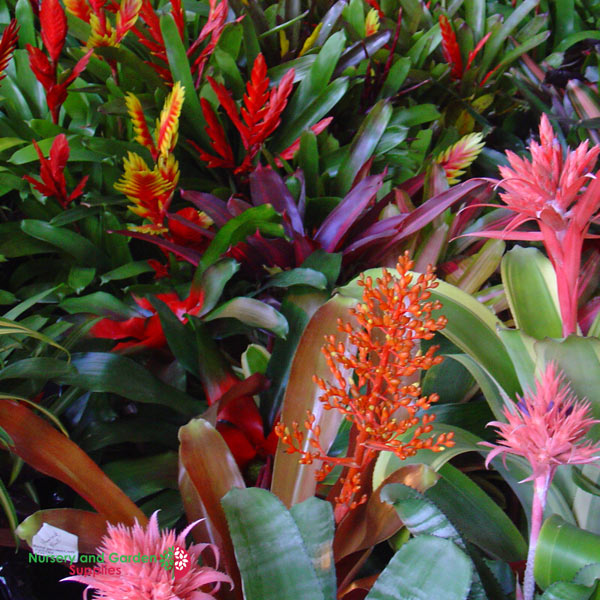
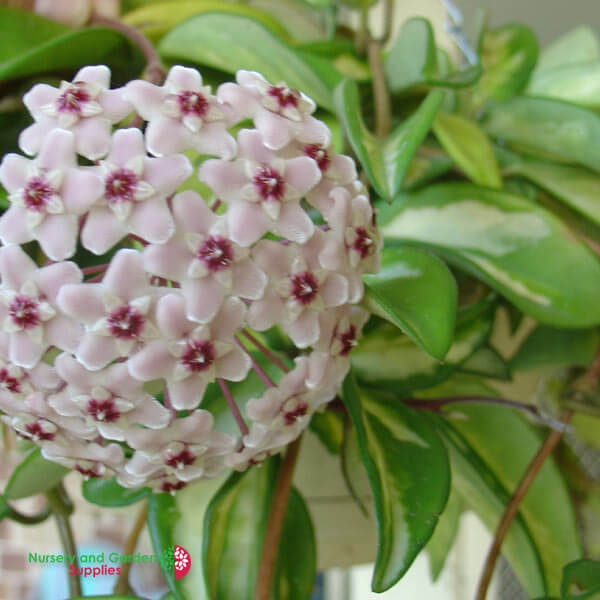
Bromeliads and Hoys thrive in a free-draining, airy potting mix that balances moisture with excellent drainage. Their shallow roots don’t tolerate soggy soil, so the right blend prevents root rot while still holding enough water to keep them healthy. Many don’t even have roots in the ground, they grow in the forks of trees. Hoyas climb all over things, including trees – but enjoy the same open, airy mix.
Key Ingredients
Organic: pine bark for structure, sphagnum peat moss for moisture.
Inorganic: perlite for aeration, (a small amount of gravel for extra drainage and weight can be great for terrestrial types).
DIY Brom Recipe Ideas
Basic: 50% potting soil + 50% orchid bark.
Extra airy: 50% soil + 25% orchid bark + 25% perlite.
What Is an Aroid Mix?
If you’ve ever owned a Monstera, Philodendron, or other tropical houseplant, you’ve likely heard about the benefits of using an aroid mix. Unlike regular potting soil, this is a specialised, soilless blend designed to mimic the natural conditions these plants live in – humid rainforests with loose, airy ground and plenty of organic matter.
Why Use an Aroid Mix?
Aroids thrive when their roots have the right balance of drainage, aeration, and moisture retention. Standard potting soils can compact too easily, suffocating roots and holding excess water that leads to rot. An aroid mix, on the other hand, creates a chunky, well-draining environment that encourages strong root systems and healthier, faster growth.
Common Ingredients
While recipes vary, most aroid mixes combine these components – here’s a proven recipe:
40% Orchid bark – provides chunkiness and airflow around roots
25% Coco coir – retains moisture without becoming waterlogged
20% Perlite or pumice – boosts drainage and prevents compaction
5% Horticultural charcoal – improves aeration and reduces toxins in the mix
10% Worm castings – add natural nutrients and beneficial microbes
These ingredients create the perfect foundation for your aroid plants protecting against wet root problems.
Popular Aroid Varieties
If you’ve ever admired a houseplant collection, chances are you’ve already met a few aroids. Some favourites include:
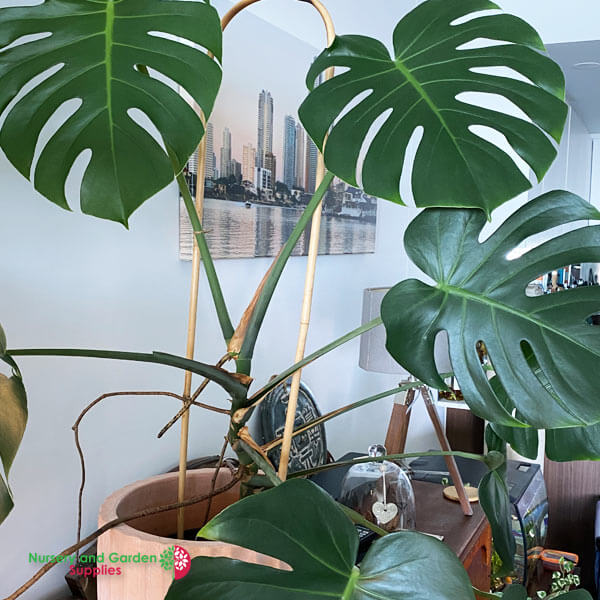
Monstera deliciosa – the famous “Swiss cheese plant” with its dramatic split leaves
Philodendrons – known for their wide variety of leaf shapes and growth styles
Peace Lily (Spathiphyllum) – loved for its elegant white blooms and air-purifying qualities
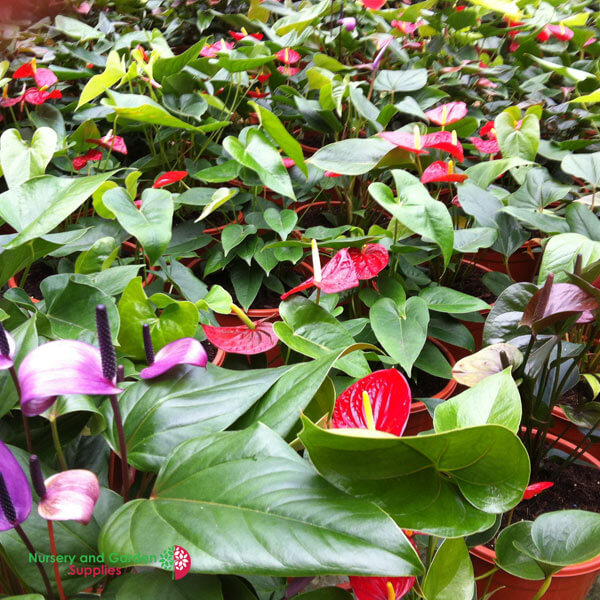
Anthuriums – striking with their glossy leaves and vibrant, heart-shaped flowers
Aglaonema (Chinese Evergreen) – valued for their colourful, patterned foliage and resilience
Perfect for Indoor Living
One of the reasons aroids have become staples in homes and offices is their adaptability to low-light conditions. Many varieties not only survive but thrive in indirect light, making them excellent companions for indoor gardeners of all experience levels.
Tips for Adjustments
For thirstier plants (like Peace Lilies), drier environments or growers who water less often, add a little extra coco coir.
For very humid homes or if you tend to overwater, add more perlite or bark to keep things airy.
Choosing the Right Orchid Bark Grade for your Orchids
Not all orchids have the same needs, and selecting the right bark grade can make a big difference in their growth and health. Each grade is designed to match the root structure and size of different orchid types:
3-6mm Precision or 6-9mm Classic – Ideal for delicate seedlings such as Phragmipedium, Miltoniopsis, and members of the Oncidiinae group.
9-12mm Power – Suited to seedlings of Phalaenopsis, Paphiopedilum, and Cattleya.
12-18mm Power Plus – A perfect match for mature orchids like Phalaenopsis, Cattleya, and Vanda.
18-25mm Super – Best for extra-large pots housing robust orchids, including Vanda and Cattleya.
**The measurements above are average particle sizes. Matching your orchid to the correct bark grade ensures proper aeration, moisture retention, and strong root development.
Using Orchid Bark is a great way to grow Orchids – but did you know it is an important ingredient in many other plant mixes as well?
Plants such as Bromeliads, Hoyas and Aroids can thrive when planted in a loose airy mix containing Orchid Bark.
Orchid Bark can vary in quality, so try and look for a proven manufacturer of high quality product. Orchiata Orchid Bark is made from NZ Radiata Pine – it is a good example of a high quality Bark.
*** Disclaimer: This blog shares the writer’s personal thoughts and experiences. (either the marketing or technical department). It is not meant to be professional advice or step-by-step instructions. Please use your own judgment and do your own research before acting on any information here.